
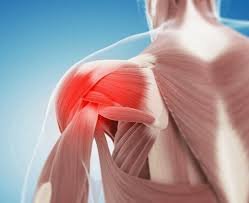
Swimmer’s shoulder, also known as shoulder impingement or rotator cuff overuse injury, is a common condition affecting competitive swimmers, triathletes, and active individuals who perform repetitive overhead movements. Pain, weakness, and limited range of motion can disrupt training and daily activities. In-home recovery, guided by rotator cuff specialists, focuses on reducing inflammation, restoring shoulder stability, and strengthening supporting muscles safely and effectively.
For expert guidance and structured rehabilitation strategies, visit 출장 for professional resources.
Understanding Swimmer’s Shoulder
Swimmer’s shoulder occurs when repetitive overhead motion irritates the rotator cuff tendons, bursae, or surrounding soft tissues. Early symptoms may be mild but can progress if left untreated. Common signs include:
-
Pain in the front or side of the shoulder during or after swimming
-
Weakness in the shoulder or arm
-
Limited overhead motion
-
Clicking, popping, or stiffness in the joint
Early intervention is essential to prevent chronic shoulder pain or tendon tears.
Causes and Risk Factors
The condition often develops due to:
-
Repetitive overhead motions in swimming strokes such as freestyle, butterfly, or backstroke
-
Muscle imbalances, particularly weak rotator cuff and scapular stabilizers
-
Poor stroke technique or sudden increases in training volume
-
Tight chest, shoulder, or lat muscles
-
Insufficient warm-up or cool-down routines
Athletes with previous shoulder injuries or limited shoulder mobility are at higher risk.
Licensed Rotator Cuff Specialist Approach
Professional in-home recovery focuses on pain relief, restoring function, and preventing reinjury. Licensed protocols typically include:
1. Activity Modification
-
Reduce high-intensity swimming or overhead activity temporarily
-
Substitute with low-impact training, such as stationary cycling or water walking
-
Avoid exercises that cause sharp shoulder pain
2. Pain and Inflammation Management
-
Ice therapy applied for 15–20 minutes multiple times a day
-
Gentle soft tissue massage to relieve tightness in the shoulder and surrounding muscles
-
Anti-inflammatory measures as advised by a licensed specialist
3. Stretching and Flexibility
Maintaining shoulder flexibility reduces impingement and restores proper range of motion:
-
Posterior capsule stretches
-
Pectoral and lat stretches
-
Rotator cuff tendon stretches
Stretching should be performed gently to prevent aggravation of the injury.
4. Strengthening Exercises
Strengthening rotator cuff and scapular stabilizers improves shoulder stability and function:
-
External rotation exercises with resistance bands
-
Scapular retraction and depression drills
-
Shoulder blade push-ups or wall slides
-
Light dumbbell shoulder exercises focusing on proper form
Consistent strengthening reduces stress on the shoulder joint and prevents recurrence.
5. Balance and Functional Training
Functional exercises mimic swimming movements to restore coordinated shoulder function:
-
Closed-chain exercises like quadruped rocking
-
Controlled overhead motion drills
-
Rotational stability exercises
These drills enhance proprioception and improve shoulder endurance.
Supportive Equipment
Using supportive tools can help during recovery:
-
Resistance bands for gentle strengthening
-
Lightweight dumbbells to avoid overloading
-
Ergonomic swim paddles or stroke adjustments once returning to water
Proper use ensures safe rehabilitation while gradually reintroducing swimming activity.
Gradual Return to Swimming
A progressive return plan is essential:
-
Begin with short, low-intensity swim sessions
-
Gradually increase stroke repetitions while monitoring pain
-
Reintroduce full training volume only after pain-free execution
Excessive intensity too soon can exacerbate tendon irritation or cause new injuries.
Nutrition and Recovery
Nutritional support enhances tendon and muscle healing:
-
Adequate protein for tissue repair
-
Vitamin C and zinc for collagen formation
-
Anti-inflammatory foods to reduce swelling
-
Proper hydration to maintain circulation and joint health
A balanced diet accelerates recovery and improves overall musculoskeletal function.
Monitoring and Professional Oversight
Regular check-ins with a licensed rotator cuff specialist ensure exercises are performed correctly and progress is tracked. Persistent pain, weakness, or restricted movement may require professional evaluation.
For detailed step-by-step rehab protocols and expert guidance, 출장 offers structured resources for swimmer’s shoulder recovery.
Preventing Future Swimmer’s Shoulder
Once recovered, preventive strategies include:
-
Regular rotator cuff and scapular strengthening
-
Proper warm-up and cool-down routines
-
Gradual increases in training volume
-
Stroke technique refinement
-
Avoiding prolonged repetitive overhead activity without breaks
Consistent preventive care maintains shoulder health and reduces the risk of recurrence.
Final Thoughts
In-home swimmer’s shoulder recovery guided by rotator cuff specialists focuses on reducing pain, restoring stability, and strengthening supporting muscles. Combining licensed guidance with consistent home care ensures safe, effective recovery and long-term shoulder function.
For professional exercises, structured rehab plans, and expert advice, visit 출장 to access resources for swimmer’s shoulder and rotator cuff injury management.