
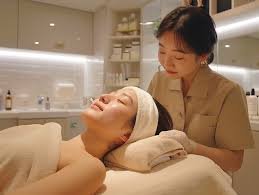
To truly understand Korean massage, one must experience it within its natural habitat: the vibrant, communal world of the Korean spa, or Jjimjilbang. Here, massage is not an isolated, luxurious treatment but a vital, therapeutic component of a deeply ingrained cultural ritual. It’s a world where ancient wellness philosophies meet modern social life, and where unique bodywork techniques are practiced with a level of intensity and purpose that is profoundly transformative.visit for more details 마사지
Part 1: The Cultural Stage – The Jjimjilbang Ecosystem
The Jjimjilbang is far more than a spa; it is a 24-hour public bathhouse and a cornerstone of Korean social life. It functions as a community hub where people of all ages come to unwind, connect, and engage in a multi-step ritual of purification and relaxation.
The Ritualistic Flow: A visit to a Jjimjilbang follows a time-honored sequence:
- Cleansing and Soaking (Mogyoktang): The experience begins in the gender-segregated bathing areas. Here, you thoroughly scrub your body before soaking in a series of hot, warm, and cold pools. This process softens the skin and muscles, preparing the body for what’s to come.
- Sweating in the Saunas: After the baths, guests don the provided uniform and move to the co-ed sauna area. This features a variety of themed dry saunas, such as the salt room, clay kiln (hanjeungmak), and ice room. The intense sweating is believed to detoxify the body and improve circulation.
- Communal Relaxation: The final stage is resting in the common area, where people lie on heated floors, watch TV, chat, or even nap. It is within this relaxed, primed state that many choose to receive the spa’s signature bodywork treatments.
This cultural context is crucial. The massage is not the sole focus but the therapeutic climax of a comprehensive wellness journey.
Part 2: The Unique Massage Techniques
Within the Jjimjilbang setting, several distinct bodywork techniques are offered, each with its own philosophy and purpose. They are characterized by their deep, therapeutic, and results-driven nature.
1. Seshin (The Full-Body Scrub) – The Essential Prequel
While not a massage, Seshin is an iconic and often indispensable first step. Performed by an expert ajumma (a respected middle-aged woman) wearing a coarse, exfoliating mitt, this is an intense, full-body scrub.
- What it is: The practitioner uses vigorous, skillful strokes to slough off layers of dead skin. You can literally see the grey rolls of old skin being removed.
- Why it’s unique: It’s a deeply symbolic act of renewal—shedding the old to reveal the new, incredibly soft skin beneath. It also profoundly stimulates circulation and primes the body, making the subsequent massage far more effective as it can work on unobstructed tissue.
2. Anma (The Therapeutic Massage) – The Art of Pressure
Anma is the foundational form of Korean massage. It is a deep-tissue, acupressure-based therapy that is both corrective and restorative.
- What it is: Using a combination of firm pressure, kneading, tapping, and stretching, the therapist works along the body’s meridian lines and on specific acupressure points. The pressure is significantly deeper and more intentional than a typical Swedish massage.
- Why it’s unique: Anma is rooted in the philosophy of balancing Ki (vital energy). The goal is not just muscle relaxation but to break up energy blockages, improve the flow of Ki and blood, and restore the body’s structural and energetic alignment. It feels less like gentle pampering and more like a targeted, therapeutic realignment of the entire system.
3. Chim (Cupping Therapy) – The Power of Suction
Often incorporated into an Anma session, cupping is a powerful modality used to address deep-seated stagnation.
- What it is: The therapist places glass or silicone cups on the skin, creating a vacuum that suction the underlying tissue upward. The cups may be left stationary or moved across the skin.
- Why it’s unique: Cupping works in reverse of a typical massage. Instead of pressing down, it pulls up to release muscle knots, break up fascial adhesions, and draw stagnant blood and toxins to the surface. The distinctive circular marks it leaves are not bruises but a sign that toxins and stagnation have been pulled from the deeper layers to be processed and eliminated by the body. It provides a level of release that hands alone sometimes cannot achieve.
The Synergy: How Culture and Technique Intertwine
The magic of the Korean spa experience lies in the synergy between its culture and its techniques. The hot baths and saunas of the Jjimjilbang warm the body and relax the mind, making it exceptionally receptive to the deep work of Seshin and Anma. The communal atmosphere normalizes self-care and reinforces the idea that health is a collective, preventative pursuit.
Furthermore, the practitioners—the ajummas—are not just employees; they are highly skilled, experienced custodians of this tradition. Their firm, no-nonsense approach is a cultural hallmark, reflecting a belief that true wellness requires serious, dedicated effort.
Conclusion: A Living Wellness Heritage
Korean spa culture and its massage techniques are inextricably linked. To experience one without the other is to miss the point entirely. It is a holistic ritual that cleanses the body, balances its energy, and calms the mind within a supportive, communal setting. It’s a powerful, authentic, and unforgettable journey into one of the world’s most effective and culturally rich wellness traditions.